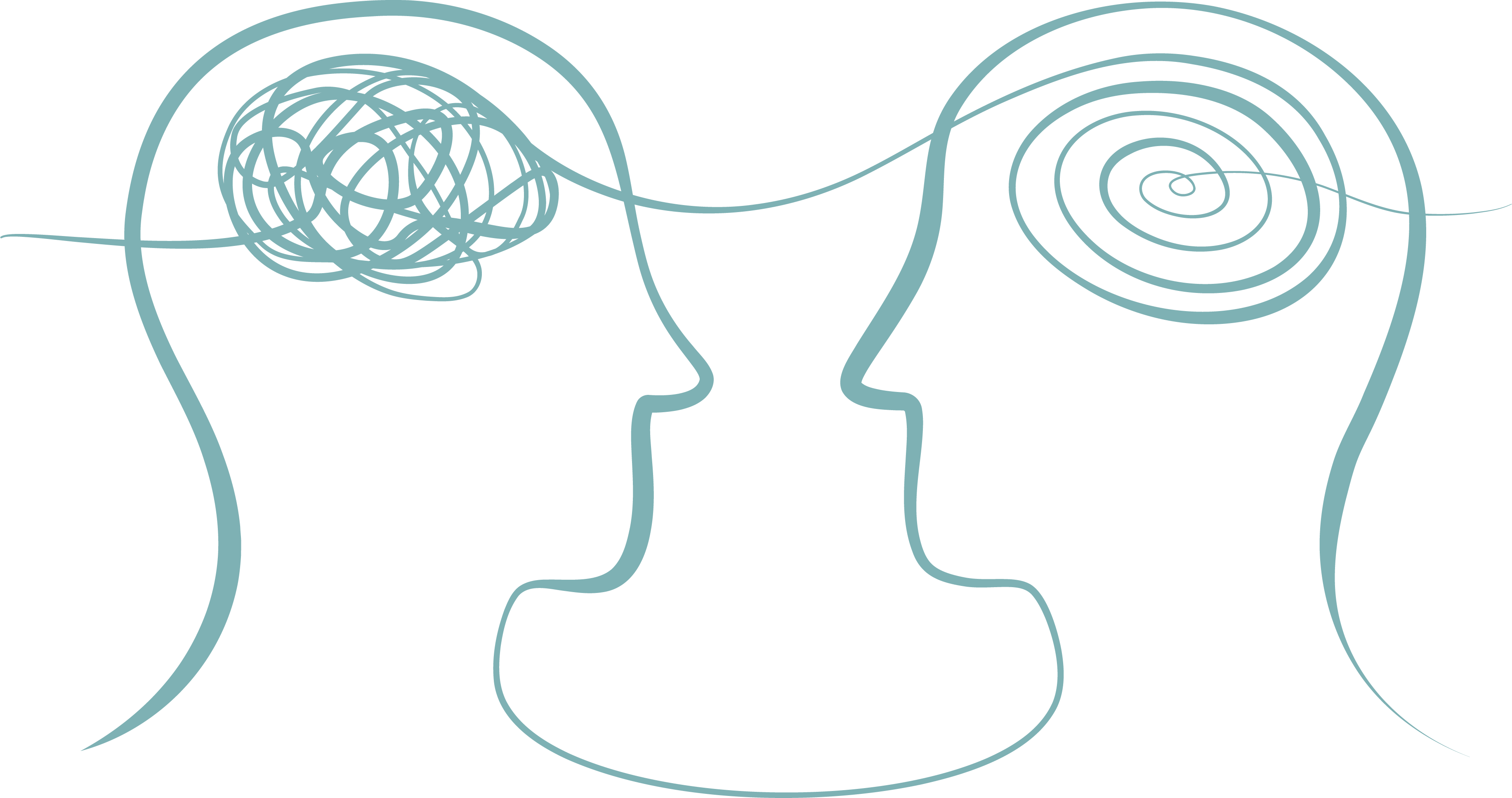
Social Interaction and Emotion Lab
As social creatures, our relationships with other people have tremendous downstream impacts on health and well-being. This is in part because social interactions dramatically shape how we think and feel, influencing how we process and experience emotions through life's challenges.
Our research systematically unpacks the effects of social interactions on emotion and well-being across various modalities and contexts, targeting a process called "social emotion regulation." We aim to underscore the value of human connection and identify ways of leveraging our interactions to improve psychological wellbeing.
The Social Interaction and Emotion Lab is situated at the Department of Psychology, Rutgers University–Newark.
People
Lab Director

Razia Sahi, Ph.D.
Pronounced: RAH-zee-uh SAH-hee
She/Her
Email: razia.sahi@rutgers.edu | CV | Google Scholar
Razia is an Assistant Professor in the Psychology Department at Rutgers University - Newark and the Director of the Social Interaction and Emotion Lab. Her lab works to understand how people influence each others' emotional states ("social emotion regulation"). She completed her B.A. at New York University in Psychology and Philosophy, M.A. in Neurophilosophy at Georgia State University, Ph.D. in Psychology at University of California Los Angeles, and NSF Postdoctoral Fellowship at Princeton University. Her work has been covered by The New York Times, National Geographic, Harvard Business Review, and Vox. She loves spending time outdoors, watching films, and cooking.
Lab Manager

Ana Costa
Pronounced: AHN-ah COH-stah
She/Her
Email: ana.costa@rutgers.edu
Ana recently completed her B.A. with Honors in Psychology and English Literature at Stanford, where she was mentored by Kate Petrova and James Gross. She is originally from Aracaju, a coastal town in Brazil. Ana is excited to explore how narrative and linguistic processes shape emotion regulation, whether in everyday conversations between friends or within therapeutic settings. As the Social Interaction and Emotion Lab's founding lab manager, she is also looking forward to cultivating the community of the lab! Ana enjoys reading good novels, finding good Substack articles, and exploring NYC and NJ.
Doctoral Students

Maryia Strotsava
Pronounced: MAR-yuh STROH-tsah-vah
She/Her
Email: maryia.strotsava@rutgers.edu
Originally from Belarus, Maryia completed high school in the Netherlands before moving to the US to earn a BS in Neuroscience and Sociology from Washington and Lee University. As an undergraduate, she studied the physiology of stress and conducted research on migration. After graduating, she worked at a cognitive neuroscience lab in the Kessler Foundation, focused on rehabilitation after traumatic brain injury. As an inaugural PhD student in the Social Interaction and Emotion Lab she is interested in prosocial coordination in crisis, especially how social emotion-regulation shapes collective resilience in the face of adversity. Outside of research, Maryia loves to travel, shoot film photography, and journal.
Research Directions
Our Approach
Our research uses a combination of behavioral experiments, naturalistic data, and multi-modal methods to study how people regulate each other's emotions across contexts such as close relationships, peers, and psychotherapy. This work operates at the intersection of social, cognitive, and affective science to illustrate how we navigate emotions together. We currently have three major lines of research.
Graphic by Chantal Valdivia-Moreno | Animation by Ana Costa
Changing how we think about emotional experiences can change how we feel about those experiences—a paradigmatic emotion regulation strategy called cognitive reappraisal. But it can be difficult to understand our own emotions, let alone change how we think about them. How do our interactions with others help change our perspectives of emotional experiences?
Offering someone new perspectives of negative events can be an effective way to regulate emotions, but challenging someone's understanding of their personal experiences can also lead to feelings of invalidation and create resistance to support. What role does comfort from others—in the form of both verbal and nonverbal support—play in emotional processing?
There are lots of different things we can say to help regulate others' emotions. But it's not always just what we say. Sometimes, it's how we say it that makes a difference. How do subtle interactive cues (such as linguistic, acoustic) facilitate emotion regulation in conversations?
Publications
Below you'll find links to publications along with pre-prints, data and analytic code repositories, relevant blog posts, and press coverage. If you need help accessing the articles, please feel free to reach out.
Under Review
Sharing is believing: Saying or writing reframes of emotional experiences boosts cognitive emotion regulation
Examining social emotion regulation in Spanish-English bilinguals
Large natural emotion vocabularies are linked with better mental health in psychotherapeutic conversations
People regulate emotions during spontaneous thought using detectable linguistic signatures
From traits to moments: How emotion regulation repertoires shape daily affective experiences
Second-order geometry helps clarify relationships between momentary emotion regulation use and affect
2026
2025
Vocal pitch as an acoustic marker of social support efficacy in women friendships
Leveraging large language models to estimate clinically relevant psychological constructs from psychotherapy transcripts
You changed my mind: Immediate and enduring impacts of social emotion regulation
2024
2023
One size does not fit all: Decomposing the implementation and differential benefits of social emotion regulation strategies
2022
Performance and belief-based emotion regulation capacity and tendency: Mapping links with cognitive flexibility and perceived stress
2021
Having more virtual interaction partners during COVID-19 physical distancing measures may benefit mental health
The comfort in touch: Immediate and lasting effects of handholding on emotional experiences
With a little help from my friends: Selective social potentiation of emotion regulation
Why don't you like me: The role of the mentalizing network in social rejection
2019
Lab News
Stay tuned for updates from the lab. Follow along as we share announcements, research developments, and highlights.
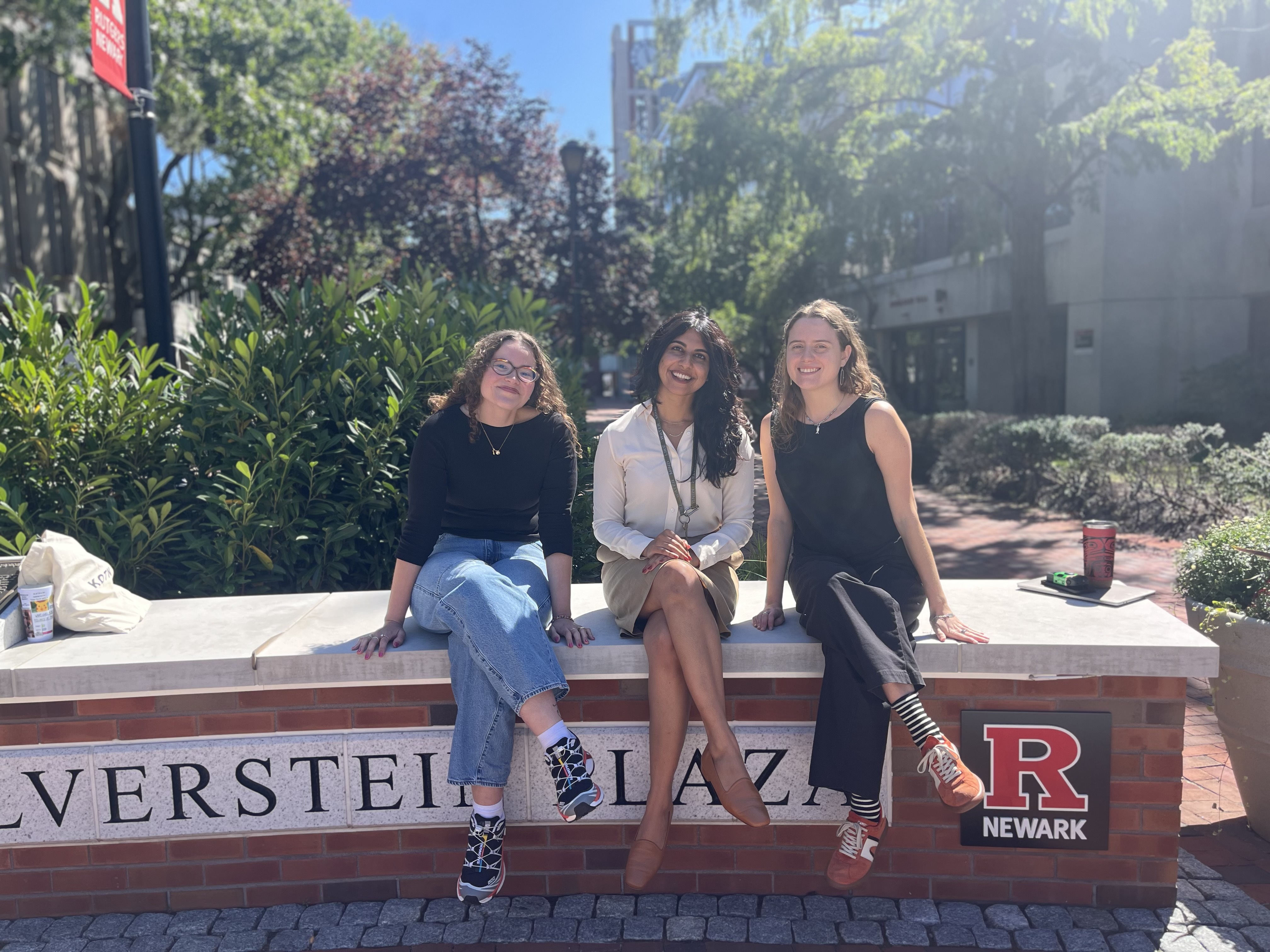
Inaugural siemo lab
The siemo lab is officially up-and-running! The inaugural lab members gathered to chat about lab culture and soak up the crisp autumn air.
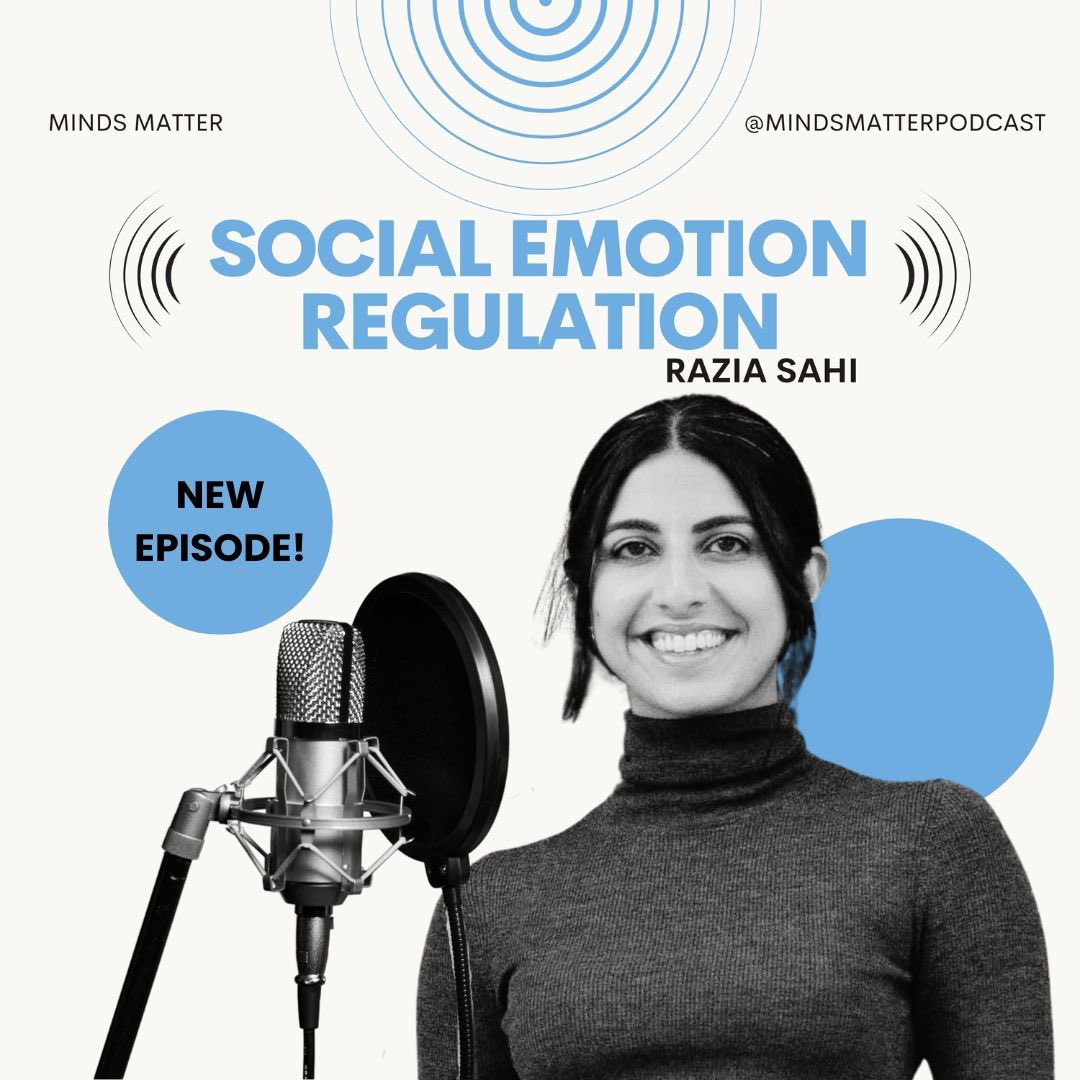
Select Press Coverage




Want to join us?
We plan to grow the lab in the coming years. If you are interested in joining us, please review the below sections for more on opportunities for different career stages. As general guidance, we recommend using short introductory emails as opportunities to express who you are and what you hope to achieve through this specific collaboration.
Undergraduate Students
We plan to take on undergraduate research assistants starting January 2027. If you would like to express your interest, please email us starting November 2026 with a little bit about yourself and why you are interested in working with us. We will typically only take students who can commit to more than one semester.
Doctoral Students
The lab is recruiting a graduate student for Fall 2027. Feel free to reach out to Dr. Sahi to share a little bit about yourself and your interests ahead of the application deadline, but keep in mind that Dr. Sahi will not be meeting with or reviewing application materials from prospective Ph.D. students before the deadline. Useful guides for applying to PhD programs in Psychology can be found here and here.
Postdocs
The lab is not currently recruiting for funded positions, but we're happy to discuss applying for external fellowships and grants together (NSF, NIH, etc.). The ideal collaborator would have some background in social and affective science, but we welcome folks with a variety of skill sets and expertise.
Post-bac Positions
We do not currently have any openings for post-bac positions.